Are TrailMaster Dirt Bikes Any Good? A Value Breakdown
- on December 02, 2022
- Categories: Articles
Yes, for what they are. TrailMaster builds value-tier youth and entry-level off-road bikes, and in the $450 to $950 range you get a real four-stroke with disc brakes for a fraction of what a name-brand youth bike costs. They are not race machines, and buying one expecting that is where disappointment comes from.
What TrailMaster actually is
TrailMaster is a value brand of Chinese-manufactured youth and entry off-road machines — dirt bikes, mini bikes, go-karts, and UTVs — distributed and supported in the US. The engines are conventional air-cooled four-stroke singles built to a widely shared pattern, and that is the most useful thing about them: parts are common, cheap, and quick to get.
The honest framing: a premium Japanese or European youth bike is built to tighter tolerances, holds resale value, and survives being raced. A TrailMaster is built to a price so a family can put a kid on a real dirt bike without spending three thousand dollars. Both are legitimate answers to different questions.
What the $450 to $950 band buys
Price in this band tracks engine size, start type, and how much bike the rider gets.
| Price | Typically means | Best for |
|---|---|---|
| $450–$600 | 50cc–70cc, automatic or semi-auto, kick or electric start, training wheels available | Ages 4–7, first time on two wheels |
| $600–$800 | 107cc–110cc, semi-auto or automatic, electric start, 12″–14″ front wheel | Ages 7–11, riders who have outgrown a 50 |
| $800–$950 | 125cc, semi-auto or manual, electric start, 14″–17″ front wheel | Ages 11+, teens, smaller adults |
Fit decides the purchase, not price: seat height against the rider’s inseam is what makes a bike rideable. See our youth dirt bike sizing guide walks through that in detail.
Which components actually matter at this price
Value-tier bikes vary more in the details than in the engine. Four things are worth checking, in order:
- •Brakes. Hydraulic discs front and rear are standard now and worth insisting on. A drum rear is the clearest sign of a bike built down rather than to a price.
- •Suspension. Entry bikes have short travel, which is fine for yards and light trail. What matters is preload adjustment on the rear shock, so you can set sag for the rider’s weight — the biggest free improvement to how a bike rides.
- •Frame and welds. Look for a reinforced backbone or twin-spar frame and tidy welds at the headstock and swingarm pivot — the two joints where a cheap frame shows itself.
- •Start type. Electric start with a kick backup is worth the extra fifty to a hundred dollars. A child who stalls halfway up a hill and cannot restart stops enjoying the day quickly.
Everything else — plastics, graphics, bar pads — is cosmetic.
What it costs to run
This is where value-tier bikes look best: running costs are low because the parts are commodity parts.
- •Fuel — a couple of gallons covers many hours of yard riding.
- •Oil and filters — ordinary motorcycle oil on the interval in the manual, and an air filter that should be cleaned after dusty sessions.
- •Chain, sprockets, levers, tubes — inexpensive and widely stocked, since this running gear follows a common standard.
- •Tires — last a long time at youth speeds unless the bike lives on pavement.
Budget an hour or two of assembly out of the crate and re-torque after the first two rides. Loose bolts, not broken parts, cause most early complaints in this class.
When you should spend more
We would rather you buy the right bike than our bike. Spend more if any of these apply:
- •The rider intends to race. Organized motocross punishes equipment. Buy a name-brand competition bike.
- •The bike will be ridden hard several times a week. Value-tier machines are built for weekend use, not daily abuse.
- •A full-size adult wants real trail speed. Look at 250cc and up rather than stretching a youth bike.
- •You need dealer service nearby. If you will not turn a wrench and have no local shop, the ownership math changes.
For a first bike, a property bike, or a way to find out whether a kid actually likes riding, the value case is hard to beat.
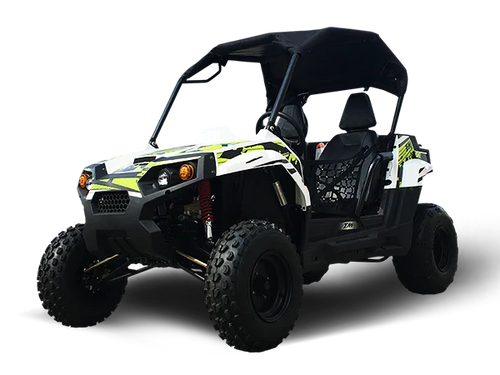
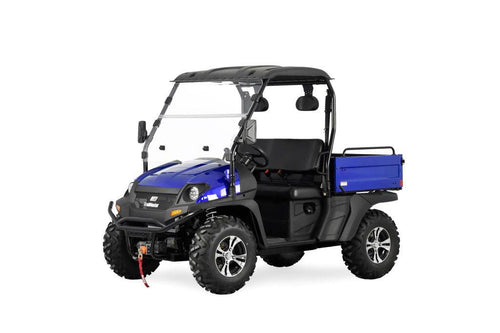
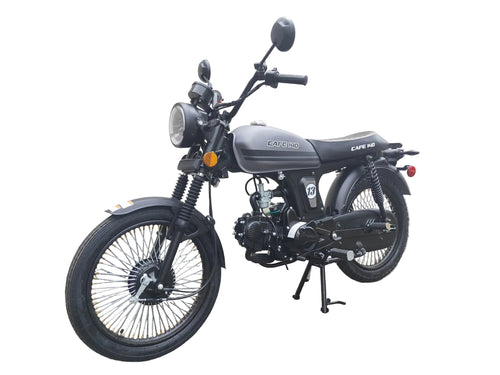
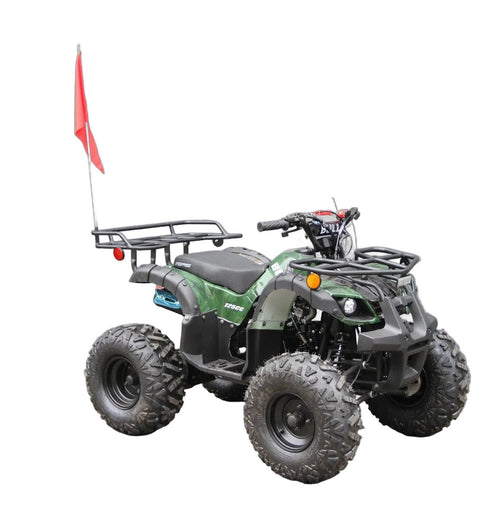
Four TrailMaster bikes across the band
These step from a first bike with training wheels up to a 125 a teen can grow into.


If a mini bike suits the rider better than a dirt bike, our TrailMaster mini bike value breakdown covers that side of the lineup.
The JHL line sits at the upper end of the brand — see TrailMaster JHL dirt bikes.
The verdict
TrailMaster dirt bikes are good value, not secretly premium. In the $450 to $950 band you get a real four-stroke with disc brakes, electric start on most models, and parts you can actually buy. Check the brakes, set the sag, torque the bolts, and size the bike to the rider — do that and it will do exactly the job it was built for.
Frequently asked questions
Are TrailMaster dirt bikes reliable?
They are reliable within their intended use: weekend riding on yards, property, and light trails. The engines are conventional air-cooled four-strokes with widely available parts, and most complaints trace to skipped assembly checks and loose bolts rather than component failure.
Is TrailMaster a good dirt bike brand?
It is a good value brand rather than a premium one. TrailMaster competes on price and parts availability, not on race-grade build quality. For first bikes, youth riders, and property use it is a sound choice; for competition, buy a name-brand motocross bike.
How long does a TrailMaster dirt bike last?
With regular oil changes, a clean air filter, correct chain tension, and periodic bolt checks, these bikes commonly serve several seasons of recreational riding. Neglecting the filter and chain shortens their life fastest.
Where are TrailMaster dirt bikes made?
They are manufactured in China and distributed in the US. The engines follow a common design standard shared across the value segment, which is why replacement parts are inexpensive and easy to find.
Do TrailMaster dirt bikes come assembled?
They ship crated and mostly assembled. Expect to fit bars, front wheel, and fenders, add fluids, charge the battery on electric-start models, and complete a bolt check — typically one to two hours with hand tools.