Electric Go-Karts for Adults: What They Do Well, and What They Don't
- on January 16, 2024
- Categories: Articles
Adult electric go-karts are real off-road machines now, not toys. The TrailMaster Blazer i2k carries a 60-volt, 30Ah lithium pack, is rated for up to 40 miles of riding and tops out around 33 mph in sport mode. Electric wins on noise, maintenance and instant torque. Gas still wins on refueling time and up-front price.
What counts as an adult kart
Size, not badge. An adult-size electric kart seats two, carries 440 to 500 pounds, runs 8-inch or larger wheels and has an adjustable seat and steering wheel so a six-foot driver fits. The Blazer i2k is the full-size machine in the electric range; the Blazer i200R is the mid-size step built on the same frame as the gas Blazer 200R and aimed at riders roughly 10 to 14. Anything below that is a child's machine, and we cover those separately in our guide to electric go-karts for kids.
Voltage, amp-hours and watts, in plain terms
Three numbers describe an electric kart. Volts is how hard the system can push — a 60-volt kart has more headroom than a 48-volt one. Amp-hours is the size of the tank. Kilowatts is the motor's power rating. A 2 kW motor on a 60V pack is a meaningfully stronger machine than a 650-watt motor on a 48V pack, and the spec sheet tells you that before you ever sit in one.
| Model | Battery | Motor | Top speed | Range (listed) | Charge time |
|---|---|---|---|---|---|
| Cheetah i6 | 48V 20Ah | 650W DC | 19 mph | Up to 30 miles | Overnight |
| Blazer i200R | 48V 29Ah lithium | 1.8 kW rated | 13 mph (D) / 27 mph (S) | Up to 36 miles | About 9 hours |
| Blazer i2k | 60V 30Ah lithium | 2 kW rated | 15 mph (D) / 33 mph (S) | Up to 40 miles | About 8 hours |
Lithium packs are lighter and hold voltage better under load than lead-acid. The i200R pack weighs 14 pounds; the i2k pack weighs 30.
Realistic range and recharge time
Treat published range as a best case: a moderate speed, flat ground, one average-weight rider. Ride hard, add hills, add a passenger and mud, and the real number drops a long way — the manufacturer says as much. Plan on a good afternoon of riding rather than a stated 40 miles.
Recharging takes eight to nine hours from empty, which makes an electric kart an overnight machine. That is the honest limitation. A gas kart refills from a can in two minutes and keeps going. If your riding is 45- to 90-minute sessions from your own driveway, electric fits perfectly. If you trailer to a riding area and ride all day, gas is still the better tool.
Torque, noise and neighbors
An electric motor makes its maximum torque from a standstill. There is no CVT engagement lag and no clutch to slip, so an electric kart of the same price feels quicker off the line than its gas equivalent even when top speeds are similar. On loose dirt that difference is obvious in the first ten feet.
Noise is the other half, and for a lot of buyers it is the deciding factor. A 200cc gas kart is loud enough to be heard several properties away, which limits when you can ride. An electric kart is quiet enough for an early morning or an evening session on acreage with close neighbors, and quiet enough that you can hear someone shout at you. If you have ever cut a ride short because of the noise, that alone may settle the decision.
Running costs
- •No gasoline, no oil changes, no air filter, no spark plug, no carburetor to clean.
- •No stale-fuel problems after winter storage, which is what kills more seasonal gas karts than actual wear.
- •Charging costs cents per session at typical residential electricity rates.
- •The battery is the expensive wear item. These lithium packs are rated to still hold about 60 percent of capacity after roughly 600 full cycles.
- •Battery warranties are shorter than the machine's life: two years limited on the i200R pack, one year on the i2k pack. Read the terms before you buy.
- •Charge and store inside the listed temperature range — 32°F to 115°F for charging on both Blazer packs.
Where electric genuinely wins, and where it doesn't
Electric is the better buy if you ride from home in short sessions, if noise limits when you can ride, if the kart sits between weekends and you are tired of fighting a carburetor every spring, or if people who do not wrench will be driving it. Gas is still the better buy if you ride all day away from power, if you want the most machine for the money at a given size, or if you want the widest choice of models and the cheapest parts.
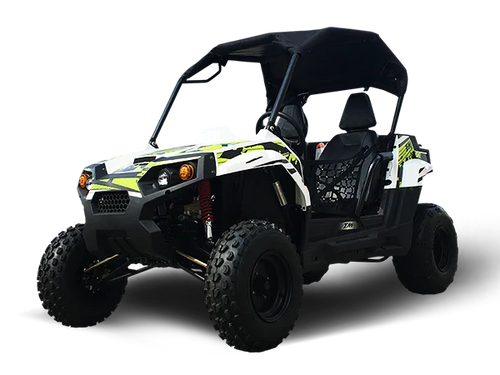
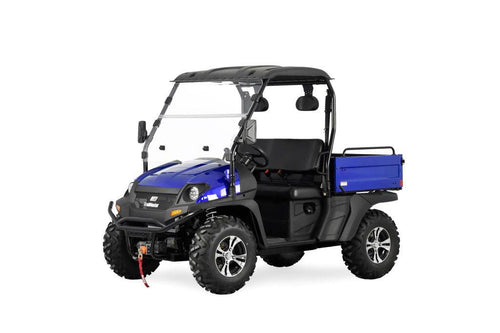
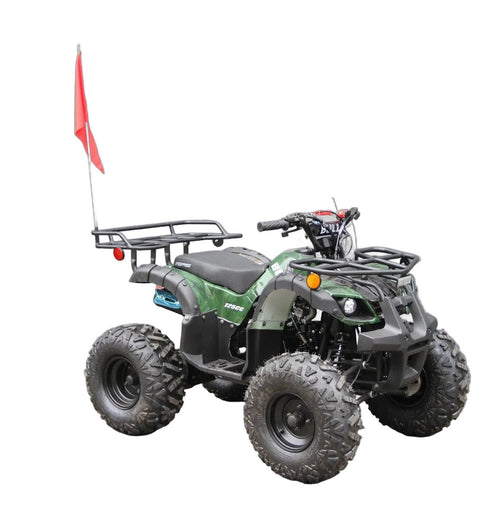
Four karts worth comparing


Every electric go-karts we carry sits on one page if you want to see the range together.
Frequently asked questions
How fast is an adult electric go-kart?
The Blazer i2k is limited to 15 mph in drive mode and about 33 mph in sport mode. The mid-size i200R runs 13 mph in drive and 27 mph in sport. The two-mode setup lets you hand the same kart to a newer driver.
How far will it go on one charge?
The i2k is listed at up to 40 miles and the i200R at up to 36, both measured under easy conditions. Hills, mud, a passenger and full throttle will cut that substantially.
How long does an electric go-kart take to charge?
Eight to nine hours from empty on the Blazer packs, so plan to charge overnight. There is no fast-charge option, which is the main practical difference from a gas kart.
Is an electric kart faster than a gas kart?
Off the line, usually yes, because the motor makes full torque instantly. Top speeds are comparable at the same price point, and a gas kart will out-last it on a long day of riding.
Can you drive an electric go-kart on the road?
No. These are off-road machines and are not street legal. Where you can legally ride depends on your state and local rules — see our guide on where you can ride a go-kart.