Off-Road Powersports on a Budget: What $1,000, $2,500 and $5,000 Buy
- on March 07, 2023
- Categories: Articles
If you have a lump sum set aside for a machine, the useful question is not “what is the best off-road vehicle” — it is what this amount actually buys, and what it will cost after the sticker. Most people who regret a powersports purchase bought more machine than their riding needed, or forgot the gear and setup money.
Start with the use case, not the number
Write down three things before you shop: who rides it, where they ride, and how often. A ten-year-old on a half-acre yard, an adult on twenty acres of pasture, and a family who trailers to an off-highway park every other weekend need completely different machines at completely different prices. The budget is the constraint, not the goal.
What each budget realistically buys
| Budget | What that buys | Best for |
|---|---|---|
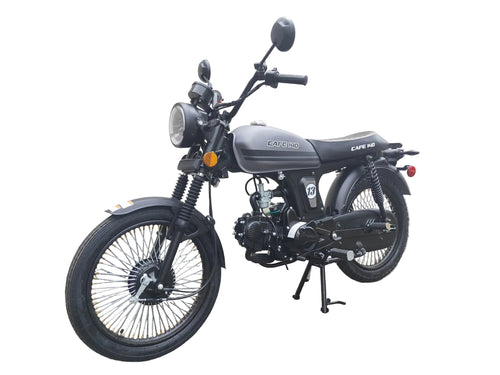
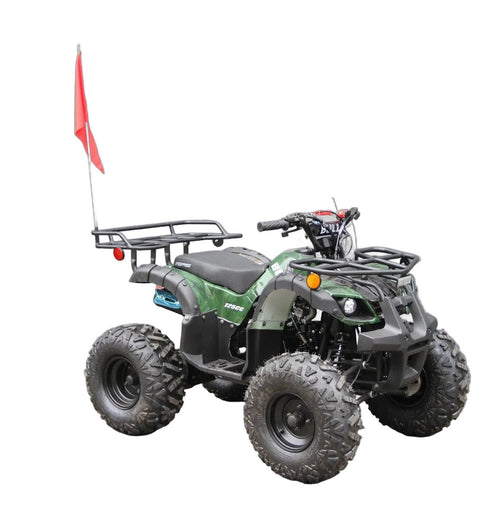
| Under $1,000 | Youth dirt bikes from about 60cc to 125cc, youth and mid-size ATVs, mini bikes, entry-level kids go-karts | First machines, yard and property riding, kids growing into a size |
| $1,000–$1,500 | Full-size pit and dirt bikes in the 125–150cc range, larger youth quads, a mid-size youth go-kart | Teens and light adults, trail riding on easy terrain |
| Around $2,500 | Adult dirt bikes in the 200–250cc class, full-size adult ATVs, two-seat go-karts and buggies | One capable adult machine that will not be outgrown in a season |
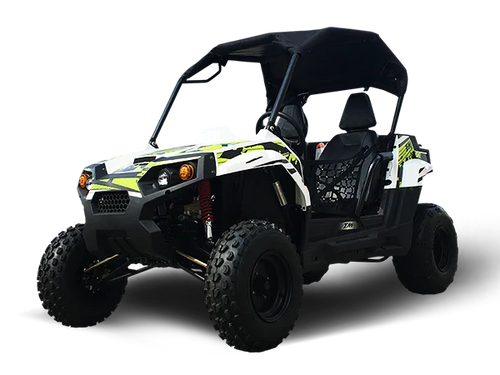
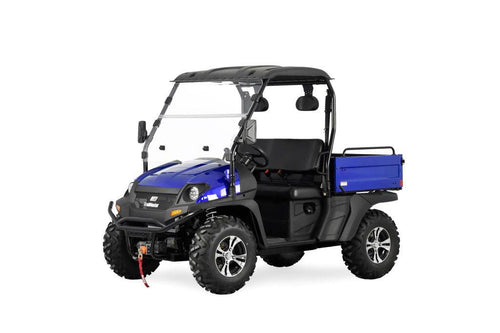
| Around $5,000 | Two-seat UTVs, fuel-injected go-karts and buggies, 300cc dirt bikes | Property work, family riding, anything that needs a passenger seat |
Prices move. Treat these as bands to shop within, and check the current listing before you commit.
The pattern holds across categories: the step up to about $1,000 buys size and build quality, $2,500 buys adult capability, and $5,000 buys seats and fuel injection. Beyond that you are paying for four-wheel drive, water cooling and payload. Our price guides go deeper on dirt bikes, ATVs and side-by-sides.
The sticker is not the total
Budget the whole purchase, not the machine. The extras are predictable, so there is no excuse for being surprised by them:
- •Freight and liftgate. Crated machines ship by freight, and getting the crate off the truck is a separate charge on many sites. Ask what is included before comparing two prices — our vehicle listings include both.
- •Assembly. Most machines arrive roughly 90–95 percent assembled. Doing the rest yourself costs a couple of hours; a shop will charge for it.
- •Riding gear. Helmet, goggles, gloves, boots, and a chest protector for a young rider. Not optional spending, and typically a few hundred dollars per rider.
- •Registration and permits. Some states require off-highway vehicle registration, and street-legal machines add title, plate and insurance. Rules vary by state — check yours.
- •First service and spares. Oil, a spare tube, a plug, chain lube, a fuel can. Small money that always gets spent.
- •Getting it to the trail. Ramps, tie-downs and something to haul with, if you are not riding on your own land.
A simple way to split the money
A workable rule: roughly three-quarters of the total on the machine, ten to fifteen percent on gear, and the rest on setup, the first service and spares. If that split forces you into a smaller machine, take the smaller machine. A properly geared-up rider on a 125 has more fun than an unprotected rider on a 250 that is too tall to hold up.
How to avoid buying too much machine
- •Fit beats displacement. Seat height and weight decide whether a rider can hold the bike up and reach the ground. Get that right first — our size and fit guide applies the same logic to karts.
- •Match the terrain. Flat pasture and a groomed trail ask very little of a machine. Rocks, ruts and long climbs ask a lot. Do not pay for suspension travel you will never load.
- •Automatic or manual. A new rider learning to ride and to shift at once learns both slowly. An automatic or semi-automatic is a legitimate choice, not a compromise.
- •Features that matter daily. Electric start, reverse and a real headlight get used every ride. Top speed almost never does.
- •Room to grow, not room to crash. One size up from what a rider handles today is sensible. Three sizes up is how machines end up sitting in a garage.
Machines across the bands


Apollo DB-X19 With HEADLIGHTS 125cc Pit / Dirt Motorcycle-17-inch front tire
125cc pit bike · 17″ front
$899$1,019
View

Where we fit, honestly
We sell value-tier machines. For a first bike, a youth machine that will be outgrown, a second machine for the property, or a kart the family shares, that is the right money to spend. If you ride competitively or need a dealer service network a few miles away, a premium brand is the better answer and worth its price. Knowing which of those you are is most of the decision.
Frequently asked questions
What is a realistic budget for a first off-road machine?
For a child, plan on a few hundred to about $1,000 for the machine plus gear. For an adult who wants something that will not be outgrown, around $1,500 to $2,500 covers a capable full-size dirt bike or ATV. Add gear, assembly and any registration on top.
Is a cheaper machine a false economy?
Not automatically. Value-tier machines are simple and parts are inexpensive. They are a poor choice for heavy competitive use and a good choice for learning, property work and occasional trail riding. Match the machine to the hours you will actually ride.
How much should I set aside for riding gear?
A few hundred dollars per rider covers a helmet, goggles, gloves and boots, with a chest protector for younger riders. Buy the helmet first and buy it to fit.
Do I have to register an off-road vehicle?
It depends on your state and where you ride. Several states require off-highway registration or a trail permit, and street-legal models need title, plate and insurance. Check your state agency before you buy.
Should I buy new or used at this budget?
New gets you a warranty, a known history and current parts availability. Used can stretch a budget if you can inspect the machine and recognize worn suspension, a tired top end or a bent frame.